Climb Mount Teide: Everything you need to know
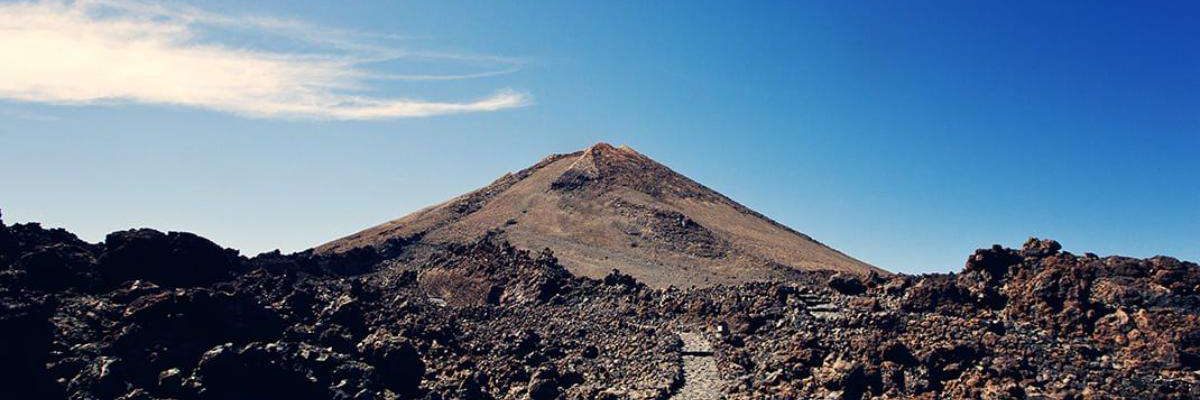
Located in the heart of Tenerife, Mount Teide is much more than just the highest peak in Spain. This volcano, which reaches 3,718 meters above sea level, is a symbol of identity for the Canarians and a magnet for tourists from all over the world. The climb to Mount Teide is an experience that combines nature, sport, adventure and spirituality.
Whether you choose to make it all the way to the crater or simply enjoy the views from the cable car, this tour offers a unique connection to one of the most spectacular landscapes in Europe. If you are thinking of climbing Mount Teide, it is essential that you prepare properly, both physically and logistically, to enjoy a safe and memorable day. In this article we tell you everything you need to know to organize your visit in the best way.
Index
Why climb Mount Teide?
The climb to Mount Teide is not just a physical challenge or another excursion: it is an opportunity to immerse yourself in a volcanic environment that is unique in the world. The Teide National Park, a UNESCO World Heritage Site, presents a landscape from another planet, with lava fields, rocks shaped by wind and erosion, and biodiversity adapted to extreme conditions.
In addition, Mount Teide is one of the best places on the planet for astronomical observation, thanks to the cleanliness of its sky and low light pollution. Climbing Mount Teide also allows you to contemplate the immensity of the Canary archipelago from above, with views that reach as far as other islands on clear days. Many travelers consider this experience to be one of the most memorable moments of their time in Tenerife. For this reason, the climb to Mount Teide has become an essential activity for those looking for adventure, contact with nature and unparalleled views.
Options for the climb to Mount Teide: on foot or by cable car
The ascent to Mount Teide can be done in two main ways: on foot or by cable car. Both options offer different experiences depending on the type of traveler you are.
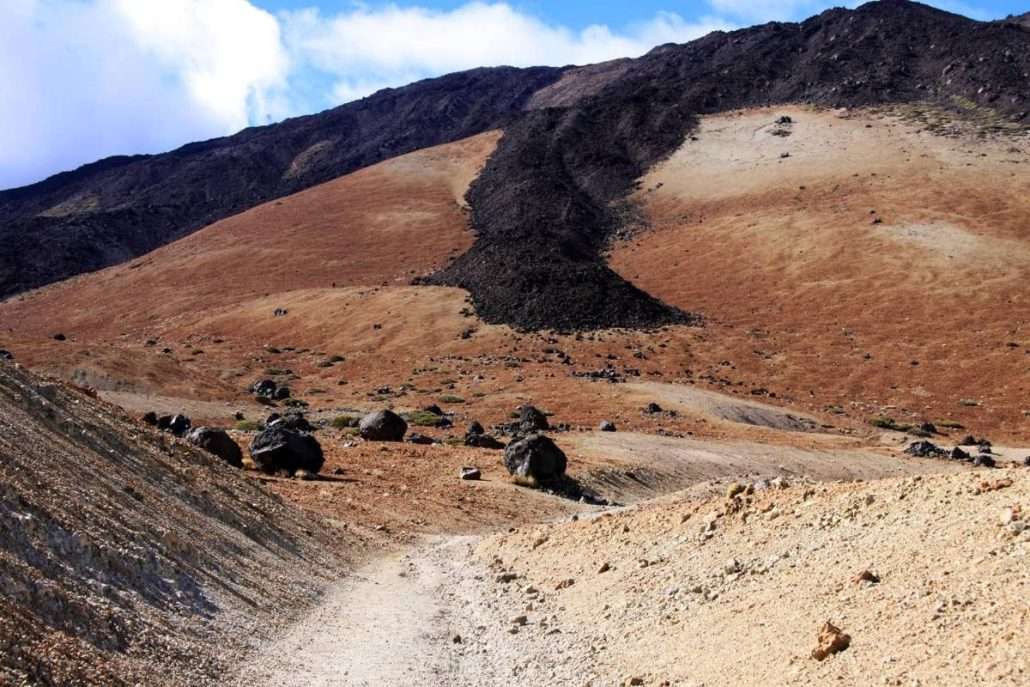
If you choose to walk, you will enter demanding but rewarding hiking routes, such as the well-known Montaña Blanca, which starts from about 2,300 meters of altitude and takes you to La Rambleta, at 3,555 meters. From there, you can only follow the crater with prior permission. The total hike can take between 5 and 6 hours, depending on pace and acclimatization.
On the other hand, if you prefer a faster option, the cable car is ideal. In just 8 minutes it places you close to the top, allowing you to enjoy the views without so much physical effort. This alternative is perfect for families, people with less physical capacity or those who have little time. Whatever your choice, the climb to Mount Teide will take your breath away, whether it’s because of the landscape… or by altitude.
The Teide cable car: schedules, prices and tips
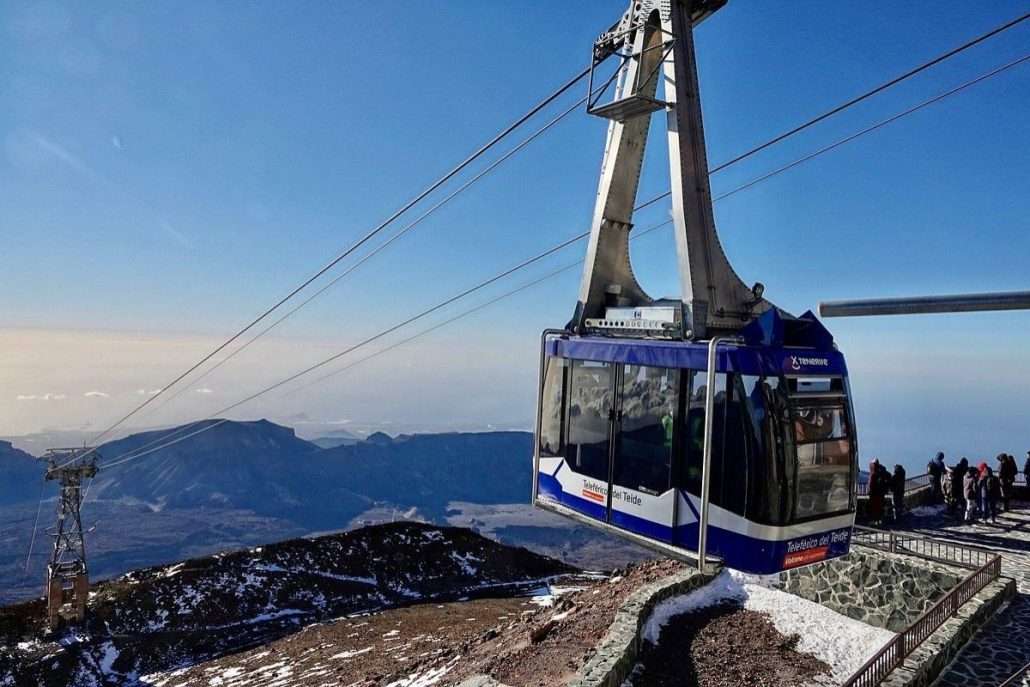
The Teide cable car is one of the most comfortable and popular ways to climb Mount Teide. Its base station is at an altitude of 2,356 meters, and the top station, known as La Rambleta, is at 3,555 meters. From there three trails depart: one to the Pico Viejo viewpoint, another to La Fortaleza, and the third, which leads to the crater, is only available with permission.
The cable car operates every day of the year, except in adverse weather conditions. Hours are usually from 9:00 a.m. to 5:00 p.m., although they may vary depending on the season. The standard price of the return ticket is around €40 per adult, with discounts for residents and children. It is advisable to buy tickets online in advance, as places are limited and frequently sold out. It is also advisable to arrive early, wear warm clothes and protect yourself from the sun.
The experience of climbing Mount Teide by cable car is fast, accessible and spectacular.
Climbing on foot: recommended routes and difficulty levels
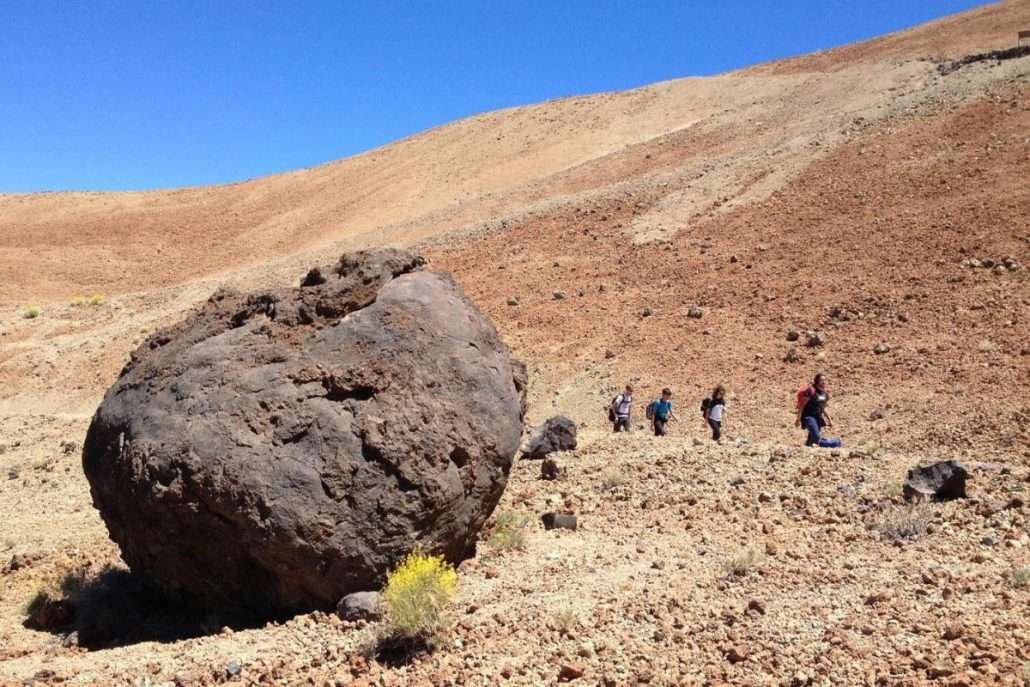
For lovers of hiking and adventure, the climb to Mount Teide on foot is one of the most epic routes that can be done in Spain. There are several routes, but the most used and spectacular is the one that starts from Montaña Blanca. This route is approximately 8.5 kilometres long and has a difference in altitude of more than 1,300 metres. The route crosses lava fields, rock formations and desert landscapes, culminating in the Altavista Refuge (currently closed to the public).
From there, the last kilometers to La Rambleta become harder due to the altitude. The full climb can take anywhere from 5 to 6 hours, so it is essential to be in good physical shape and bring enough water, food, and sun protection. There are those who choose to spend the night near the starting area to acclimatize better. For those who want to reach the crater, they must apply for a special permit. The walking experience offers a deep connection with the mountain and enormous personal satisfaction.
Peak Climbing Permissions: How to Get Them
One of the keys to completing the climb to Mount Teide to its highest point is to obtain permission to access the crater. This area, known as Telesforo Bravo, is protected for its ecological and geological value, and access is limited to 200 people per day. The permit is free and can be requested exclusively through the official website of the Teide National Park. It is advisable to process it at least a month in advance, especially in high season, as it sells out quickly.
The permit allows access to the summit at a specific time from 9:00 a.m. to 5:00 p.m., and it is mandatory to present your ID card or passport. In case the permit is not available, you can still enjoy the views from La Rambleta or explore the other enabled trails. There is also the option of hiring guided excursions that include a permit, transport and official guide. Remember that without this document you will not be able to complete the climb to Mount Teide to its highest point.
What to bring for the climb to Mount Teide
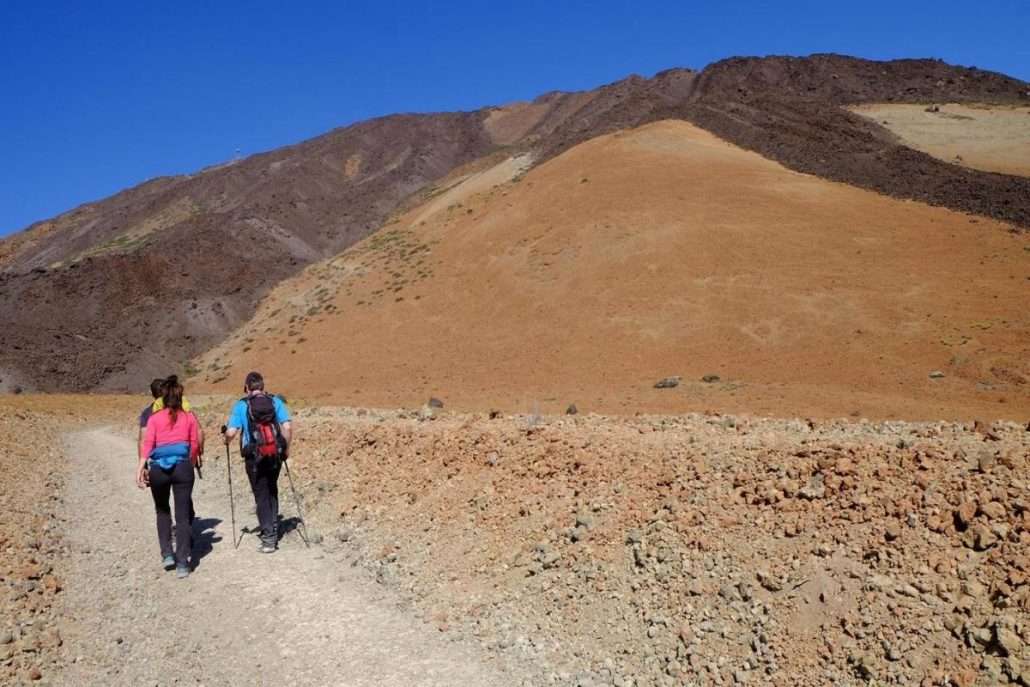
Preparing well is essential to make the most of the climb to Mount Teide, whether on foot or by cable car. Weather conditions can vary greatly in a matter of minutes and temperatures at the top are quite cold, even in summer. Therefore, it is recommended to wear thermal or layered clothing, a windbreaker, sunglasses and sunscreen. It is also essential to bring plenty of water, especially if you are going to walk, and energy foods such as nuts, fruit or bars.
The footwear must be mountain, with good support and a non-slip sole. If you choose the walking route, consider bringing poles to make the climb easier. For those who go up by cable car, it is useful to carry a light backpack with the essentials. Also, don’t forget your camera, as the views during the climb to Mount Teide are spectacular. Being well prepared not only enhances the experience, but also ensures your safety in a high mountain environment.
Conclusion
Enjoying the climb to Mount Teide with awareness and respect is essential to preserve this unique environment. Altitude can affect many people, so it is important to ascend gradually, hydrate well and avoid excessive exertion if dizziness or fatigue appears. In addition, you should not leave the trail or touch geological formations or native vegetation. Trash should be taken back with you, as there are no bins for much of the tour.
If you make the climb early in the morning or at sunset, you will enjoy the best lights for photography. It’s also a good idea to check the weather forecast, as the cable car may close in case of strong winds or storms. Finally, remember that Mount Teide is a sacred place for the ancient Guanche aborigines, and even today it retains a special symbolism. Experience the climb to Mount Teide as an experience of respect, discovery and connection with nature.