Discover the history of Tenerife and its heritage
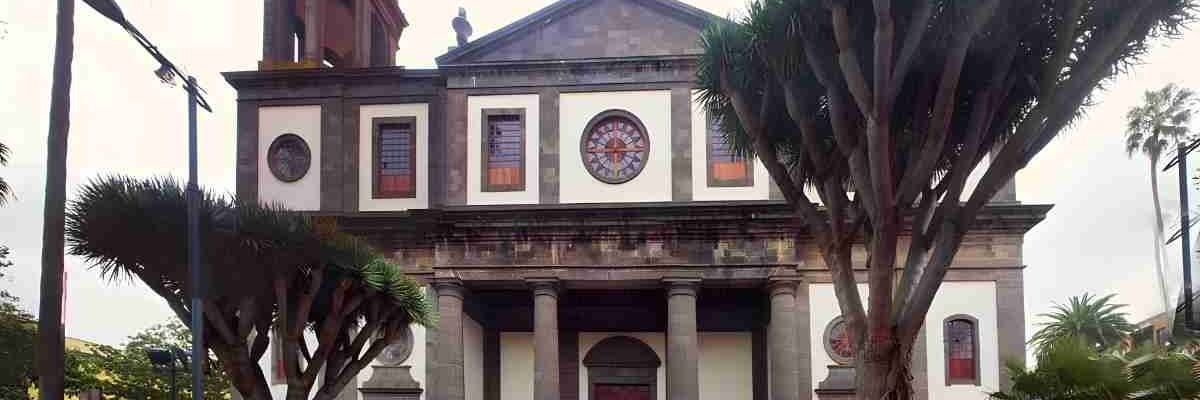
The history of Tenerife, the jewel of the Canary archipelago, is a destination that captivates all its visitors. With breathtaking landscapes and a rich cultural diversity, this island offers much more than sun and beach. Its fascinating history dates back to ancient times, when the Guanches inhabited its lands. Every corner of Tenerife tells a unique story; from ancestral traditions to its evolution as an important tourist spot.
As you delve into the history of Tenerife, you will discover how this place has witnessed significant changes over time. Get ready to explore not only the cultural and natural heritage that defines the island, but also the exquisite flavors and vibrant activities that make Tenerife a magical and unforgettable place. Let’s dive into this adventure together!
Index
Introduction to the island of Tenerife
Tenerife is the largest island of the Canary archipelago and is located in the Atlantic Ocean, off the coast of Africa. Its mild climate throughout the year makes it an ideal destination for those looking to escape the winter cold.
The landscapes of Tenerife are varied and spectacular. From its majestic volcanoes to golden sand beaches, each area offers a unique experience. Mount Teide, its highest peak, is not only a natural treasure but also a deep-rooted cultural symbol.
The population of Tenerife is known for its friendliness and hospitality. The mix of diverse cultures has shaped a vibrant community that celebrates its traditions with enthusiasm.
Over the years, Tenerife has evolved in many aspects without losing its essence. Indigenous, colonial, and modern influences coexist harmoniously, creating a fascinating cultural mosaic that invites exploration.
Known for its colorful festivals and outdoor activities, this island offers something for everyone. Whether it’s enjoying nature or discovering rich local traditions, Tenerife always surprises with new experiences.
History of Tenerife: From its origin to the present day
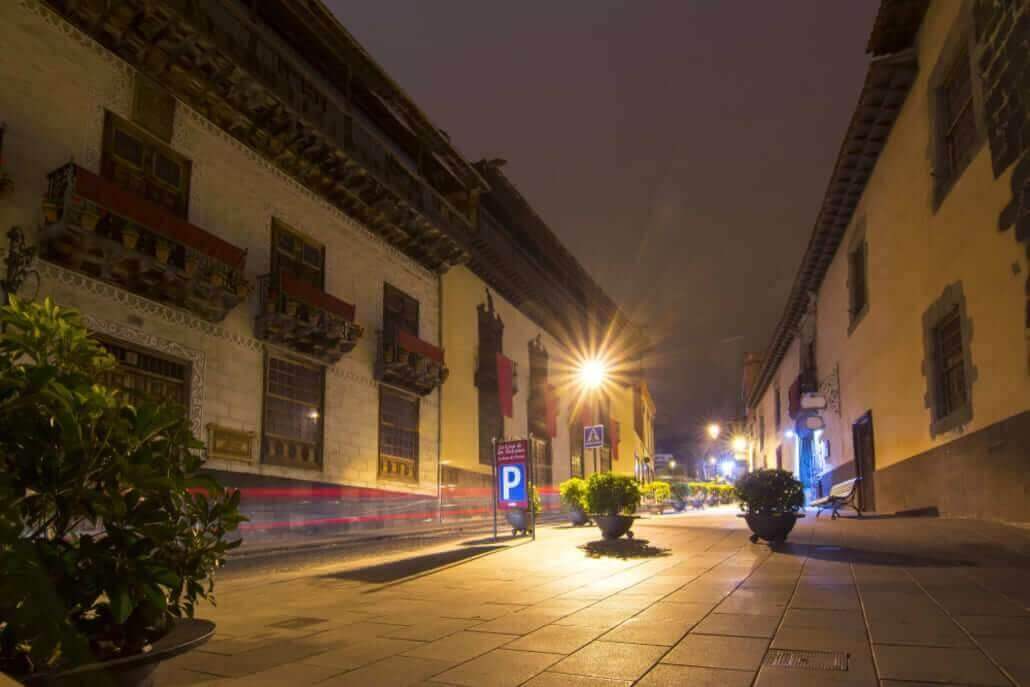
Tenerife, the largest of the Canary Islands, has a rich and fascinating history. Its origin dates back thousands of years, when the Guanches, an indigenous Berber people, inhabited the island. These ancient inhabitants left unique traces in the cultural landscape.
The arrival of Europeans in the fifteenth century marked a significant change. In 1496, Tenerife was conquered by Castile. This conquest brought with it new cultural influences that transformed life on the island.
Throughout the 17th and 18th centuries, Tenerife grew as an important trading point between Europe and America. Sugar production prospered many local families and boosted economic development.
During the 20th century, especially after the Spanish Civil War, Tenerife experienced profound political and social changes. With the growth of tourism in the last decades of the last century, the island became an attractive international destination.
Today, Tenerife is known not only for its natural beauty but also for its well-preserved historical heritage that remains a fundamental part of its cultural identity.
The cultural and natural heritage of Tenerife
Tenerife is a true treasure trove of cultural and natural heritage. The island combines breathtaking landscapes with a rich history that is reflected in every corner.
In the cultural field, their ancestral traditions stand out. Festivities, such as the Santa Cruz Carnival, are recognized worldwide for their color and joy. There are also native artistic manifestations, such as folk music and traditional dances.
The natural diversity is equally striking. Teide National Park is home to Spain’s highest peak, where visitors can enjoy unrivalled panoramic views. In addition, its volcanic landscapes offer a unique setting to explore.
Beaches are another fundamental aspect of natural heritage. From quiet coves to golden expanses, each beach has its own charm. Here you can also observe unique marine species in crystal clear waters.
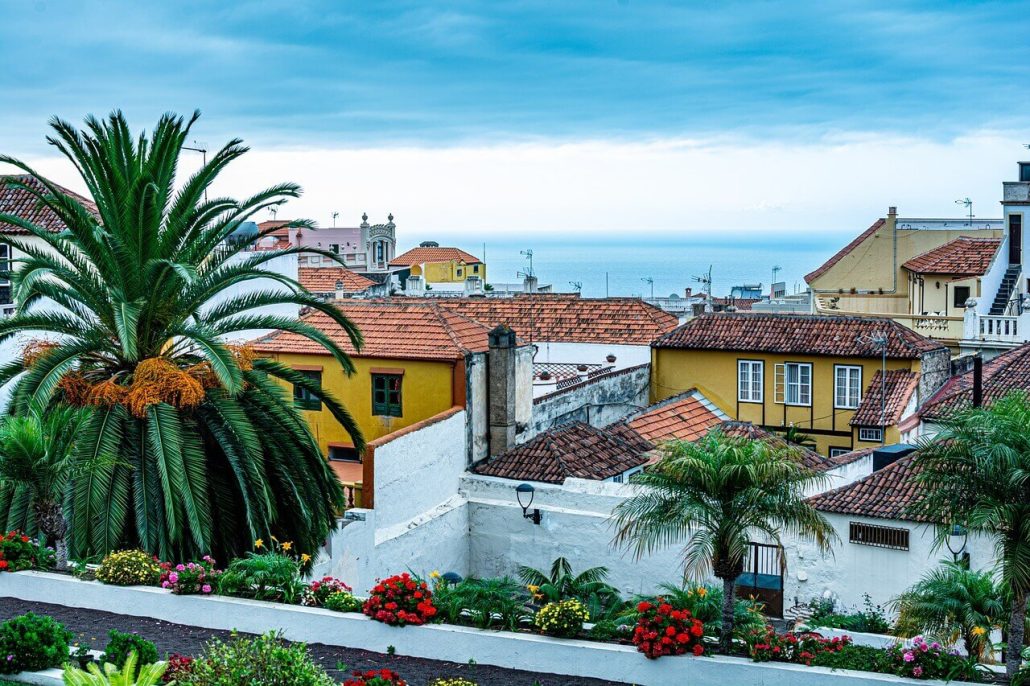
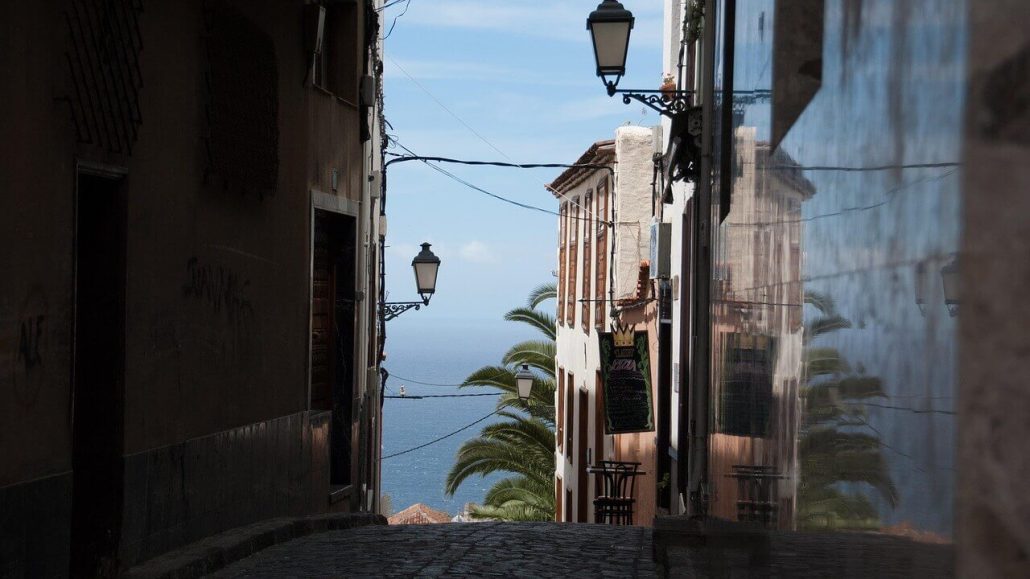
Finally, the picturesque villages preserve traditional Canarian architecture that invites you to get lost among their cobbled streets and carved wooden balconies. Each visit reveals something new about the history of Tenerife and its inexhaustible cultural richness.
Emblematic places to visit in Tenerife
Tenerife is full of iconic landmarks that tell fascinating stories. One of the most prominent is Mount Teide, a majestic volcano that rises as the highest point in Spain. Its national park offers stunning trails and unforgettable views.
Not far away, we find La Laguna, a city full of history, declared a World Heritage Site by UNESCO. Its cobblestone streets and colonial architecture transport visitors to another era.
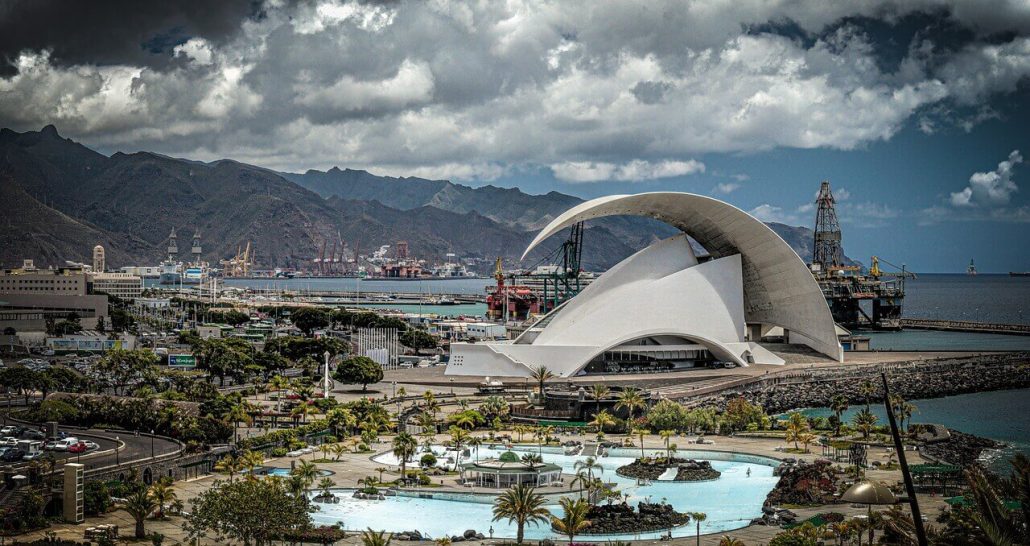
The old town of Santa Cruz also deserves attention. Here you can enjoy urban art and visit the Auditorio de Tenerife, an architectural masterpiece designed by Santiago Calatrava.
The Cliffs of Los Gigantes are another unmissable natural spectacle. These towering rock formations create a stunning backdrop by the deep blue sea.
Last but not least, there is Masca. This picturesque village nestled in the mountains offers ideal hiking trails and breathtaking panoramic views. Every corner has its own magic and unique charm waiting to be discovered by those who visit the island.
The typical gastronomy of Tenerife
Tenerife’s gastronomy is a reflection of its rich history and cultural diversity. Local flavors are deeply rooted in island traditions, with influences ranging from indigenous Guanche cuisine to Spanish heritage.
One of the most emblematic dishes is “gofio”, a toasted flour made from cereals. It can be enjoyed alone or as an accompaniment to various meals. Another typical dish is “papas arrugadas”, small potatoes cooked with salt, served with green or red mojo sauce.
Fresh fish also plays a fundamental role in the Tenerife diet. Tuna and sea bream are some of the species that you can’t miss. In addition, we must mention the famous “sancocho”, a stew made mainly with fish and potatoes.
Artisanal cheeses have a special place on any Canarian table. Made from goat’s, sheep’s or cow’s milk, these cheeses offer a wide variety of flavours and textures that delight the most demanding palates.
We cannot forget the wines of Tenerife, recognized for their unique quality thanks to the volcanic climate of the territory. A glass of local wine perfectly complements any traditional meal.
Cultural activities and events on the island
Tenerife is a melting pot of cultural activities and events that reflect its rich history. Throughout the year, the island is filled with vibrant festivals that celebrate ancient and contemporary traditions.
One of the most outstanding is the Santa Cruz Carnival, considered one of the best in the world. The streets are flooded with color, music and dance. During this festival, locals and visitors alike enjoy the festive atmosphere in a unique cultural explosion.
In addition, Tenerife hosts gastronomic fairs where Canarian flavours shine with their own light. These events not only offer delicious tastings, but also workshops to learn about the local cuisine.
Museums and cultural centres organise temporary exhibitions that delve into the history of Tenerife. The Casa de Carta or the TEA Museum are key points to better understand the island’s heritage.
On the other hand, folkloric performances are essential to get to know the Canarian roots through dance and traditional music. In every corner there is something to discover that connects everyone to their challenging and inspiring cultural identity.
Alternatives to explore history and heritage
Exploring the history of Tenerife can be a fascinating adventure. There are multiple alternatives to discover their roots and traditions.
One option is to tour the local museums. The Museum of the History of Tenerife, located in La Laguna, offers exhibitions on the cultural and historical legacy of the island. Its rooms tell stories that transport you to past times.
You can also opt for expertly guided tours. These guides not only share interesting facts, but also reveal little-known legends and anecdotes. Walking through the cobbled streets of La Orotava or Santa Cruz provides a unique perspective on the Canarian past.
Traditional festivals are another unmissable alternative. During Carnival or the patron saint festivities, dances and rituals are held that reflect Tenerife’s identity. To participate in these events is to immerse yourself in an atmosphere full of color and joy.
In addition, exploring archaeological sites such as Pirámides de Güímar allows you to connect with the ancient inhabitants of the island. Here you can learn about their way of life and ancestral beliefs while enjoying the breathtaking natural environment.
These options make getting to know the history and heritage of Tenerife enriching and dynamic.
In short
The history of Tenerife is a fascinating journey that spans millennia. From its volcanic origins to becoming a popular tourist destination, the island has evolved without losing its essence. Its cultural and natural heritage is intertwined in every corner, offering a unique experience to those who visit it.
Iconic landmarks such as Mount Teide and ancient cities reflect a rich heritage that is worth exploring. The gastronomy, with native and traditional flavors, also tells its own story through each bite.
In addition, cultural activities and local events provide an opportunity to immerse yourself even more in the customs of Tenerife. From lively festivals to art exhibitions, there’s something for everyone.
Tenerife is not only a beautiful place; It is a melting pot of history that invites you to discover it by every curious traveler. Each visit promises new experiences and learning about this corner of the world full of life and its own identity.