Explore the Corona Forestal Natural Park
Corona Forestal Natural Park
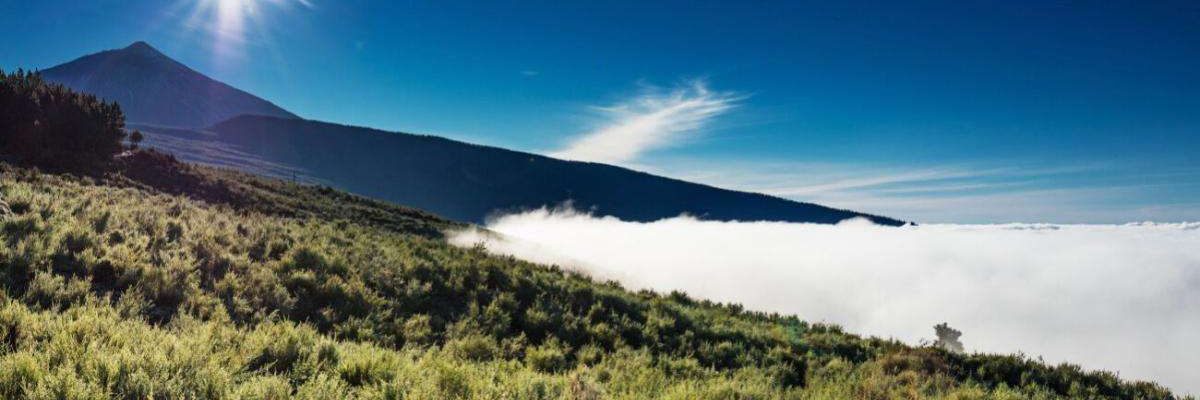
La Corona Forestal is one of the most impressive and extensive natural spaces in Tenerife. It spreads like a green blanket around the Teide National Park, protecting it and complementing its volcanic majesty with an environment full of life and contrasts. With more than 46,000 hectares, it is the largest protected natural area in the Canary Islands and represents a treasure not only for the local inhabitants, but also for the thousands of visitors who come to the island in search of pure nature and unique experiences.
Its name comes from the ring shape that surrounds Mount Teide, like a natural crown made up of forests, trails, viewpoints and landscapes that seem to be taken from another world. For tourism in Tenerife, the Corona Forestal is an essential destination, both for its ecological value and for the activities it allows: hiking, observation of fauna and flora, or simply walking to connect with the tranquility offered by its landscapes.
This natural park is also a perfect example of the geological wealth of the island, with mountains, ravines and volcanic flows that have been shaped over thousands of years. In addition, it is home to unique species and represents a fundamental green lung for the environmental balance of Tenerife. Exploring the Corona Forestal is, without a doubt, an experience that allows you to discover the most authentic essence of the island.
Index
History and formation of the Forest Crown
The history of the Corona Forestal is closely linked to the volcanic formation of Tenerife and the interaction of human beings with the environment over the centuries. This natural space began to take shape millions of years ago, when volcanic eruptions gave rise to lava flows, cones and mountains that surround Mount Teide. Over time, vegetation began to colonize these lands, adapting to difficult soils and creating a unique ecosystem.
Historically, the Forest Crown has been fundamental for local communities. Since the Guanche aboriginal times, forests were used as a source of resources: wood for construction, resin, pitch, charcoal and water that filtered through the ravines. With Castilian colonization, these uses intensified, and for centuries the Canarian pine forests were essential to the island’s economy.
Human pressure led to much of the territory suffering deforestation in the past. However, in the twentieth century an effort of recovery and protection began that culminated in 1994 with its declaration as a Natural Park. Today, the Corona Forestal not only protects an invaluable natural heritage, but also symbolizes the relationship between conservation and tradition. Its story reminds us how nature and humans have been united in this environment, and how environmental protection ensures that future generations can continue to enjoy it.
Flora: the green heart of Tenerife
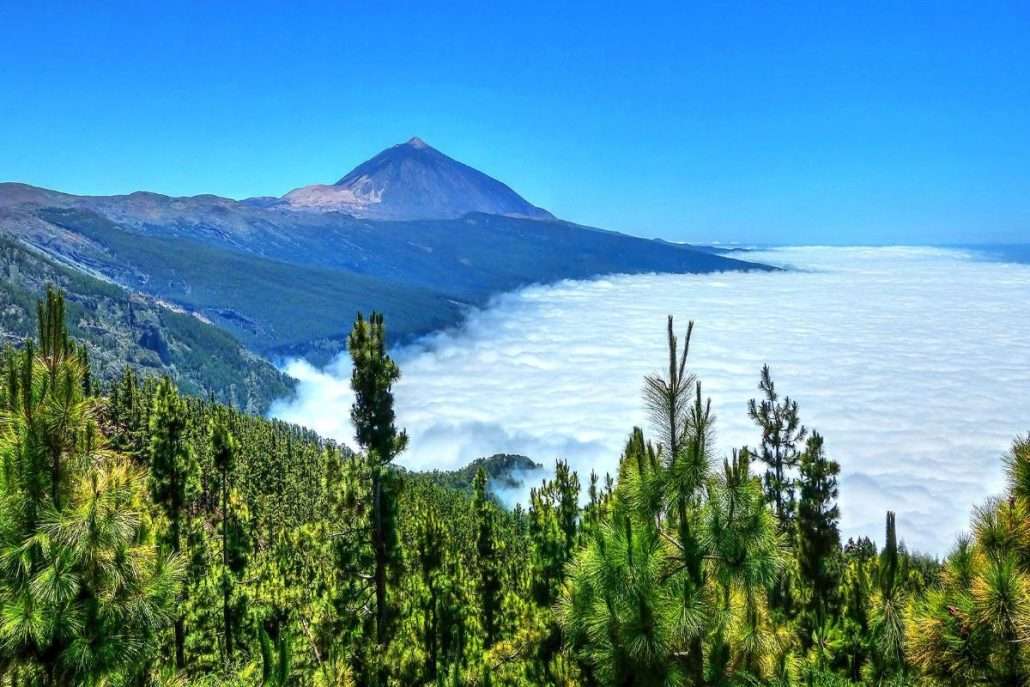
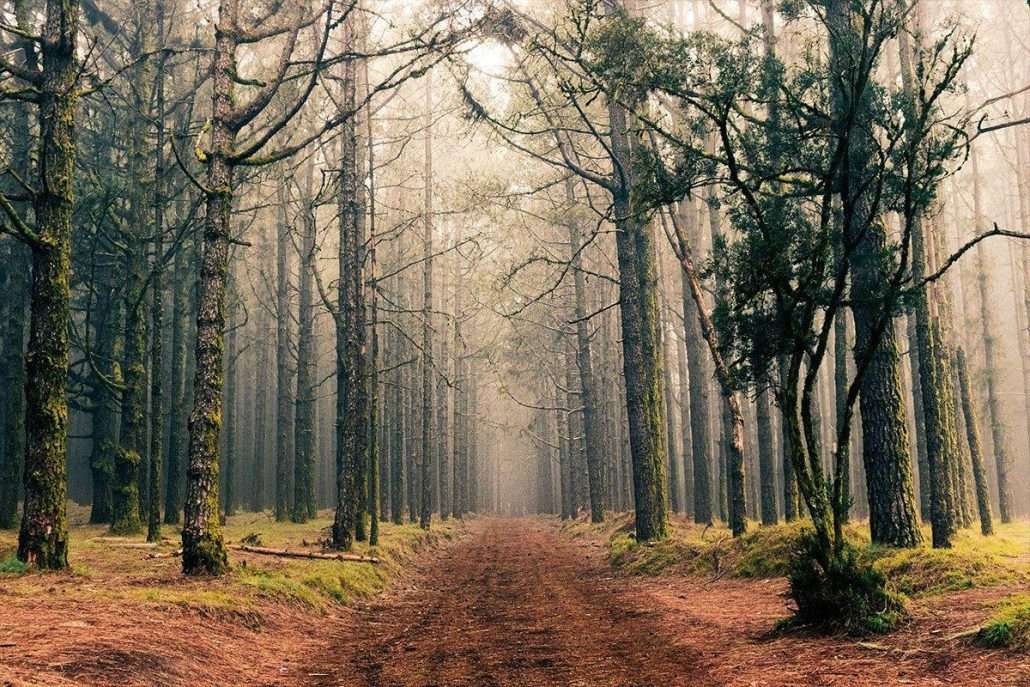
One of the main attractions of the Corona Forestal is its incredible plant diversity. The undisputed protagonist is the Canary Island pine (Pinus canariensis), an endemic species that has adapted perfectly to harsh volcanic conditions and has a surprising capacity for regeneration even after fires. Not only does this tree offer shade and freshness to those who walk its trails, but it also plays an essential role in capturing water, contributing to the island’s aquifers.
In addition to the Canarian pine, the Corona Forestal is home to areas of laurel forest in its wettest areas, vestiges of the ancient subtropical forests that in the past covered a large part of the islands. These areas are authentic botanical treasures, where the fog and humidity allow the development of species such as laurel, viñátigo and til.
In the bushes and open areas there are also brooms, codesos and rockroses, which bloom with great beauty in spring and fill the landscape with colors. This combination of plant species means that each season in the Corona Forestal offers a different spectacle, from the intense green of the pine trees to the blooms that paint the volcanic soil.
The flora of this park not only beautifies the landscape, but also sustains the fauna and regulates natural cycles, making it the green heart of Tenerife.
Fauna that inhabits the Corona Forestal
The Corona Forestal is also a refuge for a wide variety of animal species, many of them endemic to the Canary Islands. Among the most outstanding are the birds, which make the park a paradise for ornithology lovers. The Teide blue finch (Fringilla teydea), a bird exclusive to Tenerife, is one of the symbols of this environment. With its deep blue plumage, it is often found among pine trees, being a highly sought-after target for photographers and birdwatchers.
Other important species are the Great Spotted Woodpecker, the Canary Island Blue and various birds of prey such as the sparrowhawk and the kestrel. On quiet nights, the song of the long-eared owl can also be heard.
As for reptiles, the black lizard and the mullet lizard stand out, both of which are very adapted to the volcanic environment. Insects also play a critical role in the ecosystem, including endemic butterflies and beetles that pollinate the park’s flora.
Larger mammals are scarce, although rabbits, introduced centuries ago, and bats can be found that play an essential role in insect control.
The fauna of the Corona Forestal coexists in a delicate balance, protected by conservation measures. For the visitor, discovering this biodiversity is a unique opportunity to connect with the natural wealth of Tenerife and understand the importance of preserving ecosystems.
Hiking and essential routes
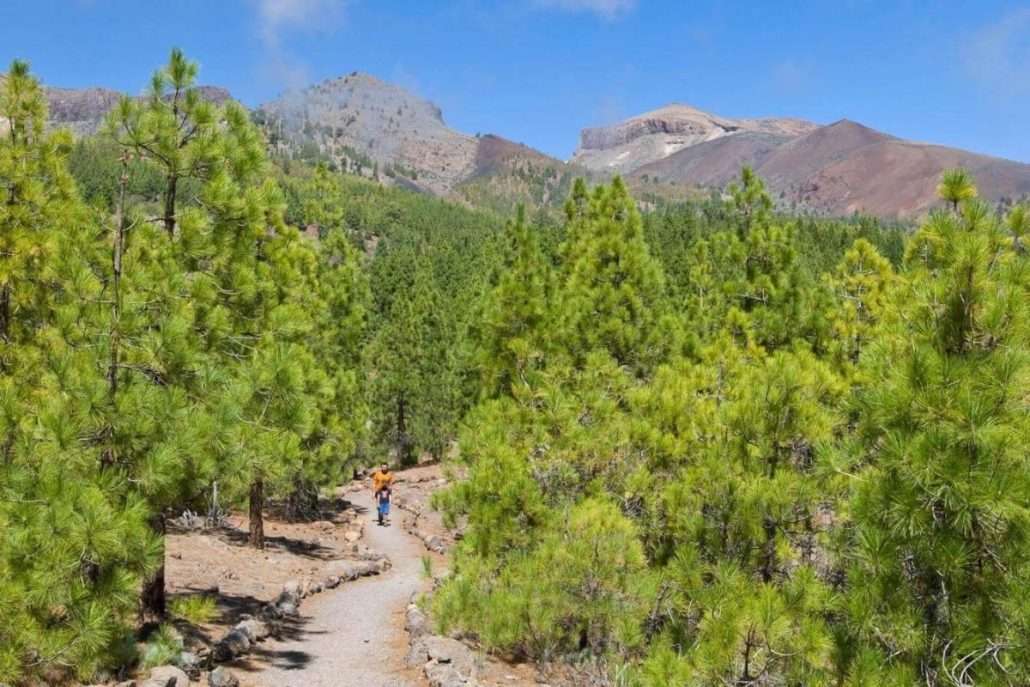
The best way to discover the Corona Forestal is through its trails, which offer experiences for all levels. Among the most emblematic routes is the climb to Mount Teide via Montaña Blanca, which crosses part of the park before entering the National Park. This route allows you to appreciate the contrasts between the pine forests and the volcanic terrain.
Another popular option is the Caldera de Aguamansa circular trail, ideal for families and visitors looking for a leisurely hike. Here you can enjoy the coolness of the forest and panoramic views towards the north of the island. Also noteworthy are routes such as the Camino de Chasna, a historic route used since ancient times to connect the northern and southern slopes of Tenerife.
For the more adventurous, there are less traveled paths that go deep into the park, where solitude and contact with nature are absolute.
Hiking in the Corona Forestal not only offers physical exercise, but also the opportunity to contemplate changing landscapes, breathe fresh air and discover hidden corners. Each route is an open door to the history, geology and biodiversity of Tenerife, making it an unforgettable experience.
Viewpoints and landscapes of the Corona Forestal
The Corona Forestal is also a visual spectacle thanks to its viewpoints and landscapes. From many of them you can see breathtaking views of Mount Teide, the Atlantic Ocean and, on clear days, neighbouring islands such as La Gomera, El Hierro and La Palma.
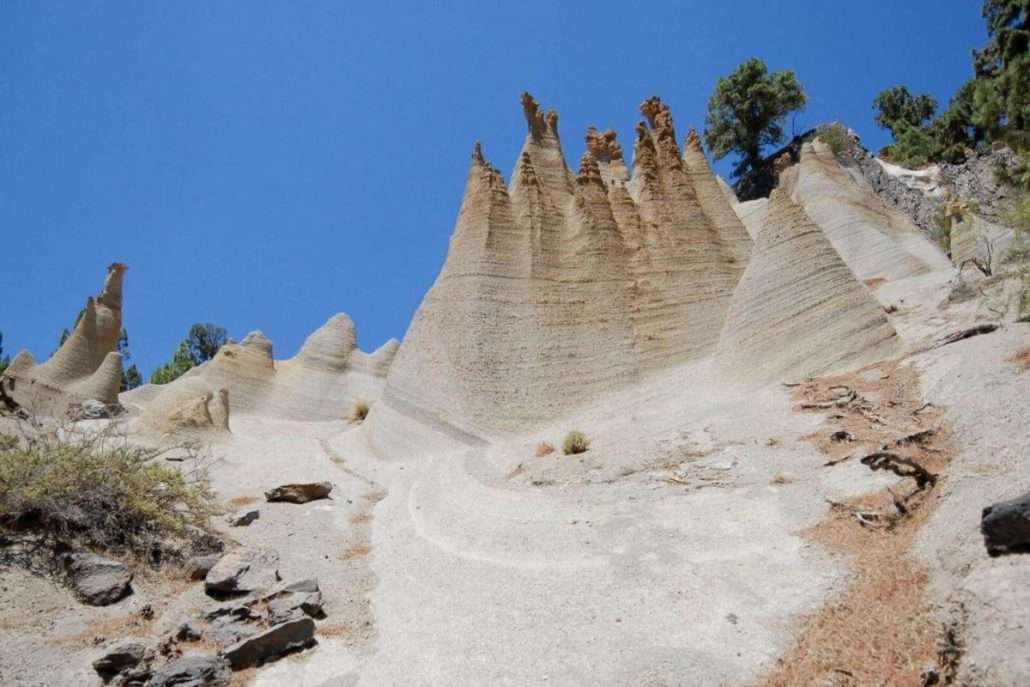
One of the best-known viewpoints is La Tarta, where layers of lava of different colours form an almost lunar landscape. Another essential point is the Ortuño viewpoint, which offers panoramic views over the pine forests and the valley of La Orotava.
The landscapes of the park are very diverse: from forest-covered slopes to deep ravines and volcanic flows. By walking through them, you understand why the Corona Forestal is considered a unique space. Every corner has a particular beauty, whether in the golden light of dawn, in the calm of midday or under the starry skies that make Tenerife one of the best places in the world for astronomical observation.
These viewpoints are perfect for photography lovers, as they capture the essence of the island in unforgettable images. Volcanic and forest nature combine in settings that seem to be from another planet.
Cultural connection and local tradition
Beyond its natural importance, the Corona Forestal is deeply linked to the culture and traditions of Tenerife. For centuries, the island’s inhabitants depended on these forests for basic resources. Grazing, firewood collection and charcoal production were common practices that marked the way of life of rural communities.
The Camino de Chasna, which crosses the park, was an essential communication route between the north and south of Tenerife. Merchants, peasants and travelers passed through this road to exchange products and customs. Today, touring it allows you to relive that part of the island’s history.
The wood of the Canarian pine was also widely used in traditional construction, especially in roofs, balconies and handicrafts. Many popular festivals and pilgrimages take place in villages near the park, where the connection to the Corona Forestal is kept alive.
Today, although the uses have changed, the cultural link continues, and the visit to the park becomes a trip to the past. Knowing its traditions is essential to understand Tenerife’s identity and the way in which nature has shaped the local culture.
Conclusion
The Corona Forestal is much more than a simple green ring that surrounds Mount Teide; It is an authentic natural sanctuary that combines history, biodiversity, tradition and unforgettable landscapes. Its trails invite you to walk among centuries-old pine forests, discover unique species and contemplate panoramic views that seem to be taken from another planet. At the same time, it reminds us of the importance of conserving the natural and cultural heritage that defines Tenerife.
Exploring the Corona Forestal is not just a tourist activity, but a transformative experience that connects each visitor to the purest essence of the island. Whether through a quiet walk, a day of bird watching, or a visit to its viewpoints, this natural park offers experiences that last in the memory.
Anyone who decides to enter the Corona Forestal takes with them much more than photographs: they take away the feeling of having been part, even if only for a few hours, of an incomparable natural space. Tenerife holds many treasures, but without a doubt this is one of the greatest, and deserves to be explored calmly, respectfully and admired.