
Literary Tourism in Tenerife: A Journey Through the Scenarios That Inspired Great Stories
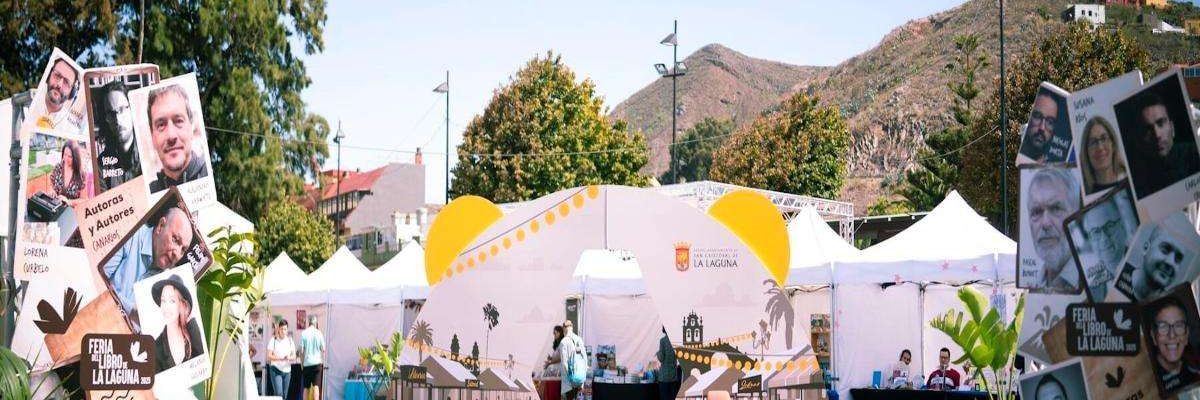
The magic of literary tourism in Tenerife
Literary tourism in Tenerife has gained popularity in recent years as a different way to get to know the island. Beyond its beaches, mountains and mild climate, Tenerife is also a territory of inspiration and letters. The volcanic landscapes, the cobbled streets of La Laguna or the sunsets in front of the sea have been the setting for stories, novels and poems that connect nature with the written word.
Traveling with a book in hand has become an experience that is increasingly sought after by those who want to discover places through the eyes of writers. Literary tourism in Tenerife allows you to visit real enclaves that appear in works, visit centenary bookshops and participate in cultural events where literature is the protagonist.
The island combines history, art, and oral tradition, making it an ideal setting for those who enjoy both reading and exploration. Walking along the paths of Anaga, among laurel forests, can be as poetic as reading a Canarian classic. In this context, literature becomes an invisible guide that accompanies the traveller at every step, revealing a Tenerife that vibrates between letters, myths and unforgettable landscapes.
Index
Tenerife as a source of inspiration for great authors
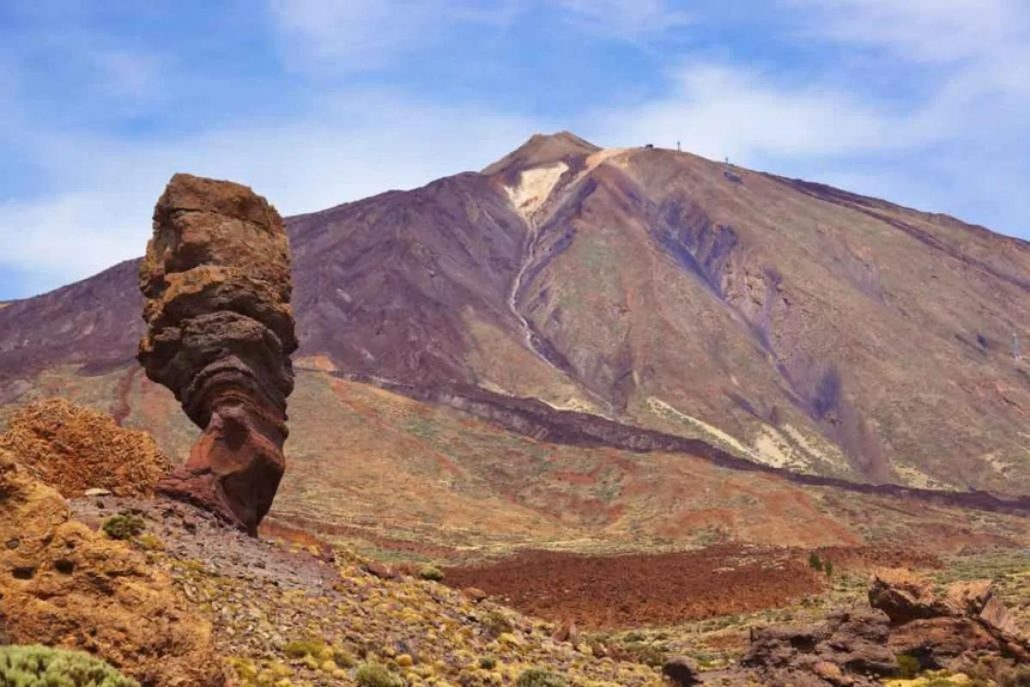
Literary tourism in Tenerife has deep roots, because the island has been a refuge and muse for many writers. From sixteenth-century chroniclers to contemporary novelists, letters have found an echo of beauty and mystery here. The island’s geography, its multicultural character and its history have attracted national and international authors who saw in Tenerife a place where the imagination flourishes.
Among the most outstanding are Domingo Pérez Minik, an essential figure in Spanish literary criticism, and Emilio Abad Ripoll, whose works portray Tenerife’s identity with precision and affection. We also find literary traces in Benito Pérez Galdós, a universal Canarian, who, although born in Gran Canaria, evoked the essence of the island in many of his stories.
Foreign authors, fascinated by the nature of Mount Teide or the coastal landscapes, were also inspired by the island. British and French writers of the nineteenth century, attracted by the exoticism of the archipelago, described Tenerife in chronicles and travel diaries. This legacy has turned the island into a space where literature is intertwined with memory.
Today, to visit those same places is to relive the words that described them. Literary tourism in Tenerife not only invites you to read, but also to feel how the landscapes dialogue with the stories that were born from them.
La Laguna: Heritage City and cradle of letters
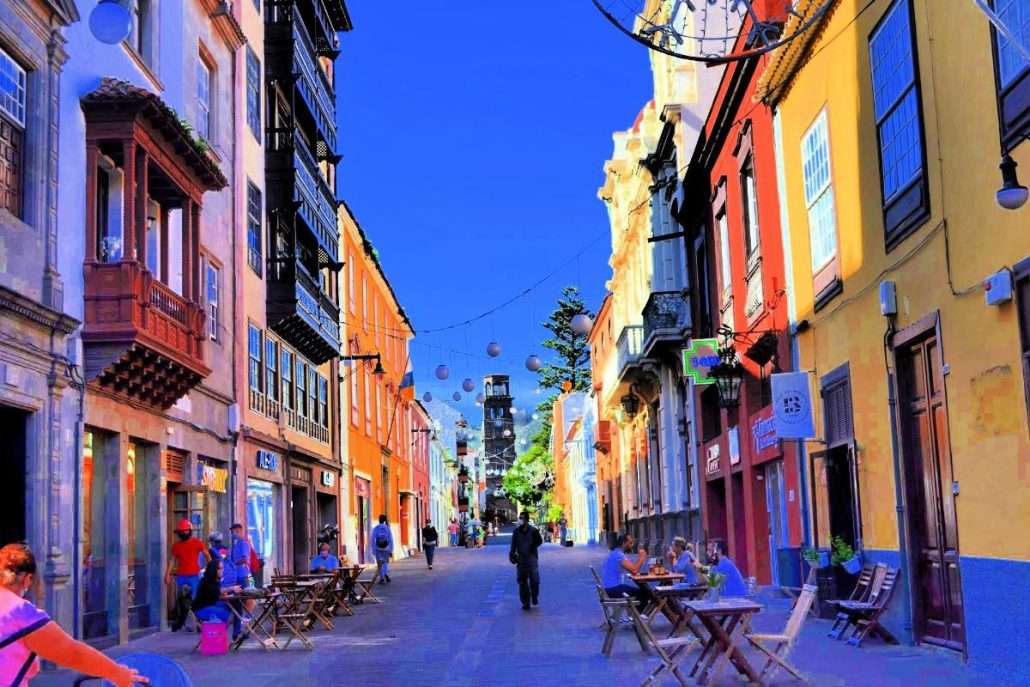
To talk about literary tourism in Tenerife is to talk, inevitably, about San Cristóbal de La Laguna, a university city, a World Heritage Site and the cultural hub of the island. Its colonial streets, silent squares and colorful facades keep centuries of history, knowledge and literary creation.
La Laguna has been the cradle of writers, poets and thinkers who marked the intellectual identity of the Canary Islands. The University of La Laguna, founded in 1792, is a symbol of that spirit, housing generations of students and writers who gave life to a solid cultural movement. In its cafeterias and gatherings there is still a debate about books, art and philosophy.
Places such as the House of the Captains General or the Church of La Concepción are mentioned in numerous stories and chronicles. In addition, its signature bookstores and antique shops offer an intimate tour for those who want to immerse themselves in the reading soul of the city.
Walking through La Laguna is like travelling to the past, feeling the weight of the words that were written there and understanding why this city is considered the heart of literary tourism in Tenerife, where literature and history go hand in hand at every corner.
Santa Cruz de Tenerife: Urban Scenarios with a Literary Soul
The island capital, Santa Cruz de Tenerife, also plays an essential role in literary tourism in Tenerife. With its mix of modernity and tradition, the city offers visitors a complete cultural experience. Its avenues, parks and cafes have been a refuge for readers, writers and artists for generations.
One of the most emblematic places is the Central Municipal Library, located in the heart of the city, where activities, exhibitions and reading clubs are organized that keep the passion for books alive. Nearby, the Círculo de Bellas Artes has become a meeting point for literary presentations and poetry recitals.
Santa Cruz also hosts the Tenerife Book Fair every year, an event that brings together publishers, authors and readers in a festive and participatory atmosphere. In addition, the historic cafés, such as those located on Calle del Castillo, evoke the literary gatherings of the last century.
Walking through Santa Cruz with a book in hand allows you to discover how literature mixes with urban rhythm, conversations and street art. Thus, the capital reaffirms itself as a key point of literary tourism in Tenerife, where letters find their space between bustle and inspiration.
Literary routes between volcanoes and sea
Literary tourism in Tenerife is not limited to the cities: it also extends along the roads, mountains and coasts that inspire those seeking a deeper connection between nature and letters. The island offers various literary routes that allow the traveler to relive the gaze of the writers who once traveled through these landscapes.
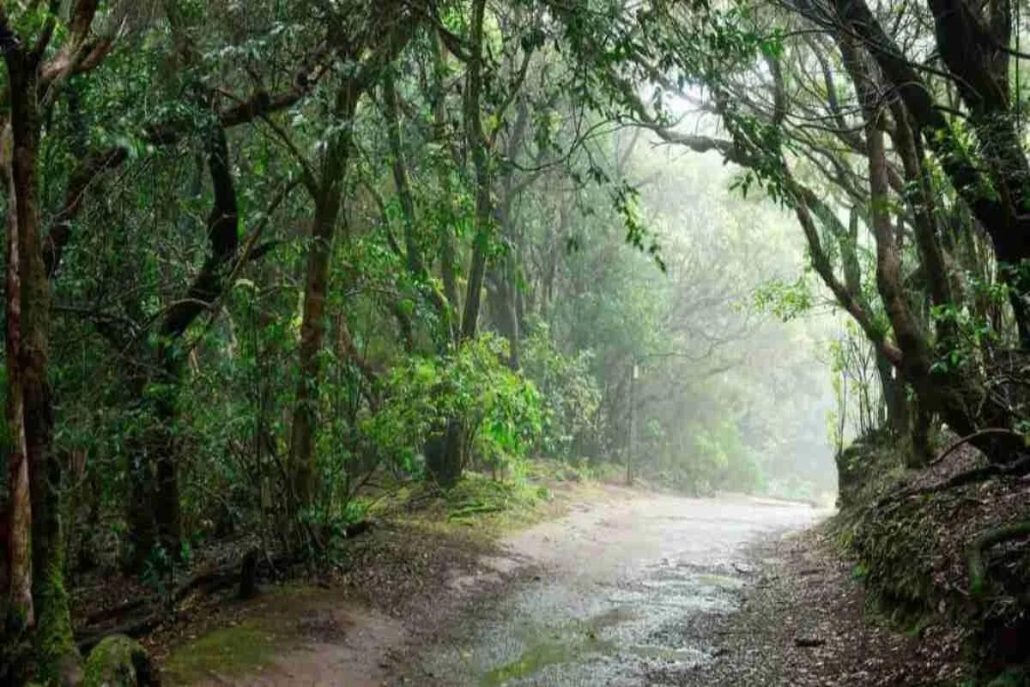
One of the most symbolic is the one that borders the Teide National Park, declared a World Heritage Site. Numerous authors have described it as an almost lunar landscape, a space where imagination reaches its maximum expression. Another fascinating route is Anaga, whose laurel forests have inspired tales of mystery and legend.
There are also urban routes that connect places mentioned in literary works or dedicated to local writers, such as the Paseo de las Letras in La Laguna or the poetic murals of Puerto de la Cruz.
These experiences allow the reader to become a traveler and the traveler to become a reader. Each route combines culture, history and adventure, consolidating literary tourism in Tenerife as a way to explore the island from a unique and enriching approach.
Charming libraries and bookshops in Tenerife
One of the greatest pleasures of literary tourism in Tenerife is discovering its libraries and bookshops. These spaces not only keep books, but also stories, experiences and the cultural spirit of the island.
In Santa Cruz, the Central Municipal Library and the TEA Library (Tenerife Espacio de las Artes) are benchmarks both for their architecture and for their literary offerings. They hold meetings with authors, thematic exhibitions and activities to promote reading.
In La Laguna, bookstores such as Lemus or El Águila offer a cozy atmosphere where you can get lost among shelves full of treasures. Some of them have been the scene of literary presentations and talks with contemporary Canarian writers.
In the north of the island, Puerto de la Cruz and La Orotava also stand out for their independent bookshops, many of which combine book sales with cafes, workshops or art spaces.
To visit these bookshops and libraries is to immerse yourself in the reading soul of Tenerife, an experience that complements literary tourism in Tenerife and allows you to discover the island from the silence of its pages and the aroma of paper.
Festivals, meetings and literary events on the island
The island’s cultural calendar reinforces the attractiveness of literary tourism in Tenerife with a wide range of literary events throughout the year. These meetings celebrate the written word in all its forms and encourage exchange between authors, publishers and readers.
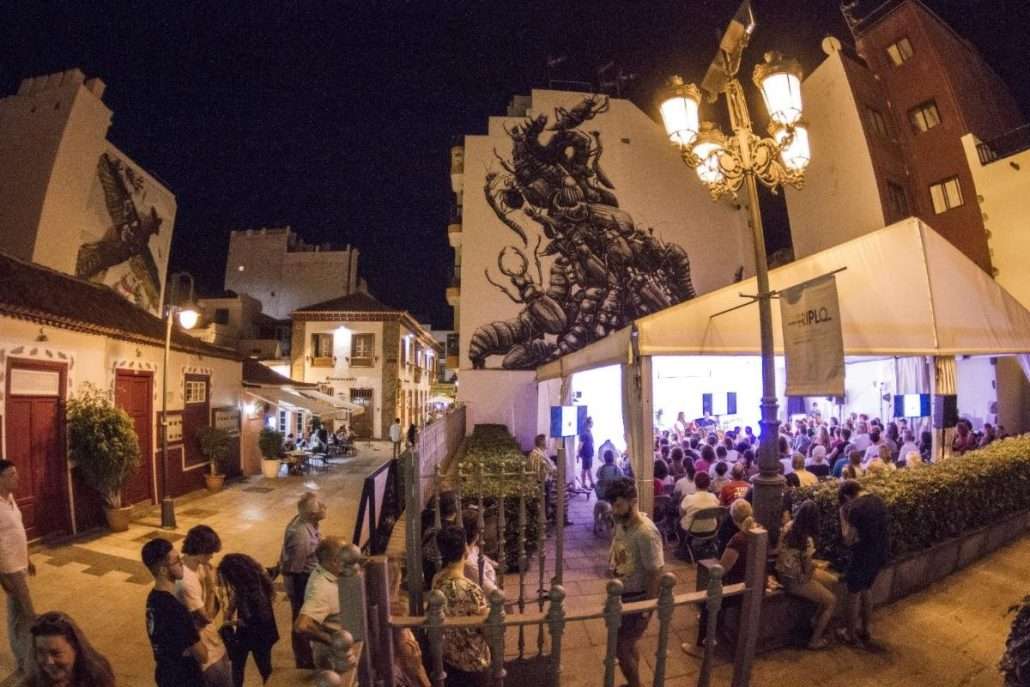
The Santa Cruz de Tenerife Book Fair is one of the most outstanding events. For several days, the streets are filled with booths, workshops, recitals and book signings. Also noteworthy are the Meeting of Canarian Writers, the International Short Story Festival of Los Silos and the Index Festival, dedicated to reading and oral narration.
These events not only promote literature, but also energize the cultural life of towns and cities, generating a constant flow of visitors interested in Canarian culture and identity.
To attend any of them is to experience up close the passion for literature that defines literary tourism in Tenerife, a modality that combines entertainment, learning and connection with the most creative essence of the island.
Conclusion: Reading, travelling and feeling Tenerife through its lyrics
Literary tourism in Tenerife invites you to discover the island from a different perspective: that of the books, the authors and the places that inspire stories. It is not just about visiting monuments or beaches, but about living a sensory experience where literature acts as a common thread.
Every corner of Tenerife, from the hustle and bustle of Santa Cruz to the silent roads of Anaga, has something to tell. The books serve as maps that guide the traveler to new emotions, and the island responds with landscapes that seem to come out of a novel.
To read Tenerife is to understand its soul, to feel its history and to understand why so many writers have found their voice here. Literary tourism in Tenerife is not only a cultural trend, but an invitation to look at the island with different eyes: those of those who know that each trip can become a new chapter.