The Marine Fauna of Tenerife
The Marine Fauna of Tenerife
The island of Tenerife is much more than golden sandy beaches and spectacular volcanic landscapes. Surrounded by the waters of the Atlantic, its natural wealth extends beneath the sea surface, where a world full of life and colour is hidden. The Marine Fauna of Tenerife has become a true biological treasure and an unrivalled attraction for travellers looking for experiences of contact with nature. Its geographical position, at a crossroads of ocean currents, makes the island a key biodiversity hotspot.
These waters are home to resident and migratory species, from majestic cetaceans to tiny reef fish, sea turtles, birds flying over the ocean, and unique ecosystems made up of volcanic rocks. It is no coincidence that Tenerife has established itself as one of the main European destinations for nature tourism and activities such as diving and whale watching.
The study and contemplation of the Marine Fauna of Tenerife not only offer unforgettable moments, but also invite us to reflect on the need to protect this natural heritage. The island has been able to combine tourist enjoyment with conservation initiatives that seek to guarantee the survival of its most emblematic marine species.
Throughout this article we will explore the protagonists of these waters: dolphins, whales, turtles, tropical fish, seabirds and underwater ecosystems, highlighting their essential role and the importance of caring for them for future generations.
Index
Cetaceans: Dolphins and Whales in the Wild
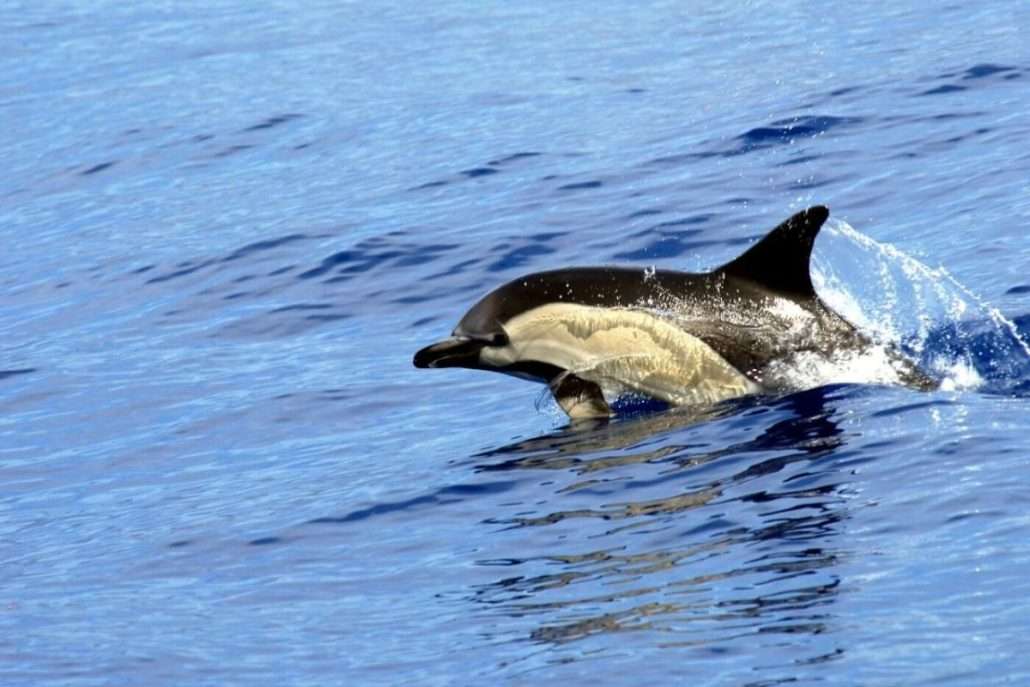
One of the greatest attractions of Tenerife’s Marine Fauna are its cetaceans. The island is one of the few places in the world where you can observe dolphins and whales in the wild all year round. Thanks to the stable water temperature and abundance of food, various species find the perfect habitat on these coasts.
Among the permanent residents, bottlenose dolphins and pilot whales stand out, easily visible on sighting excursions. These species coexist with occasional visitors such as humpback whales, sperm whales and killer whales, which take advantage of the migratory routes near the archipelago.
The waters located between Tenerife and La Gomera have been catalogued as a Special Area of Conservation for Cetaceans, a recognition that highlights the need to preserve this ecosystem. Not surprisingly, Tenerife is considered one of the best places in Europe for whale watching, which attracts thousands of tourists every year interested in living this respectful and unique experience.
The presence of these animals reflects the richness and balance of Tenerife’s Marine Fauna. Observing how they swim freely and how they interact in social groups is overwhelming. In addition, their importance goes beyond tourism: cetaceans play a vital role in maintaining the balance of the ocean ecosystem.
Sea Turtles: Guardians of the Atlantic Ocean
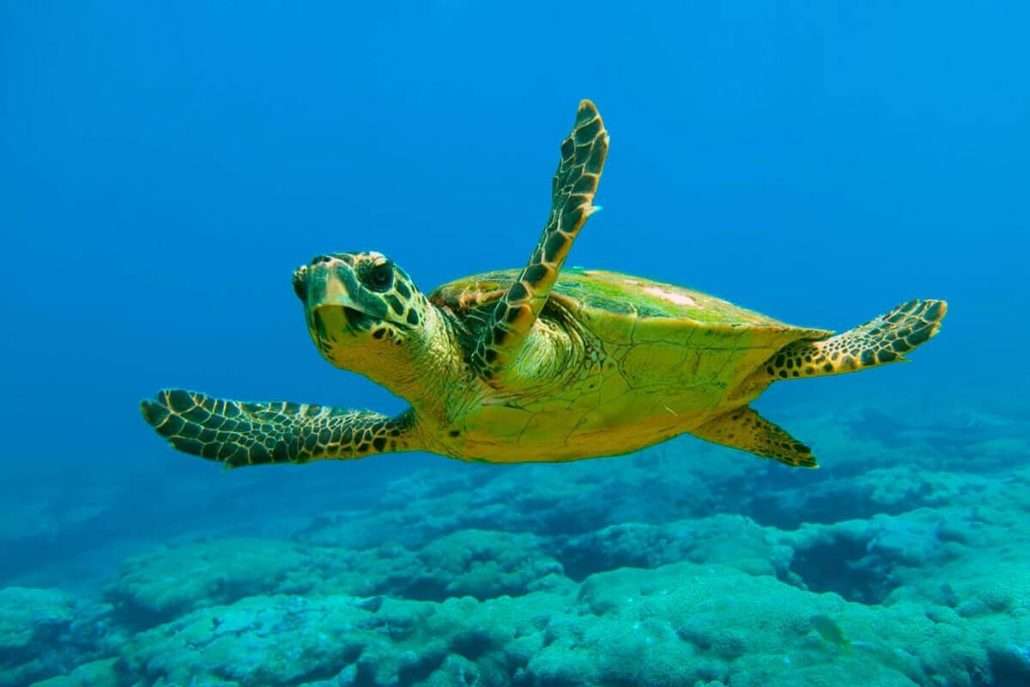
Sea turtles are also an essential part of Tenerife’s Marine Fauna. Although not all species find their breeding area here, the island is a fundamental enclave for their feeding and resting. Among them is the loggerhead turtle (Caretta caretta), which is frequently observed in waters near the coast.
In addition to the loggerhead turtle, you can sometimes spot the green turtle and the hawksbill turtle, migratory species that travel thousands of kilometers in the Atlantic. Their presence in Tenerife confirms the strategic importance of the Canary Islands within the oceanic routes of these animals.
Sea turtles are considered true guardians of the ocean, as they play vital roles in the balance of the ecosystem. They feed on jellyfish, algae and other organisms, contributing to the natural control of these populations. However, their conservation faces great threats: plastic pollution, fishing nets, maritime traffic and even climate change.
Various local organizations and projects work to protect these species, promoting public awareness and beach cleanup. When diving into the sea to snorkel or dive, visitors have the opportunity to meet them, always under the premise of respect and responsible observation. Its mere presence makes La Fauna Marina de Tenerife a natural spectacle of incalculable value.
Tropical and Reef Fish in Tenerife
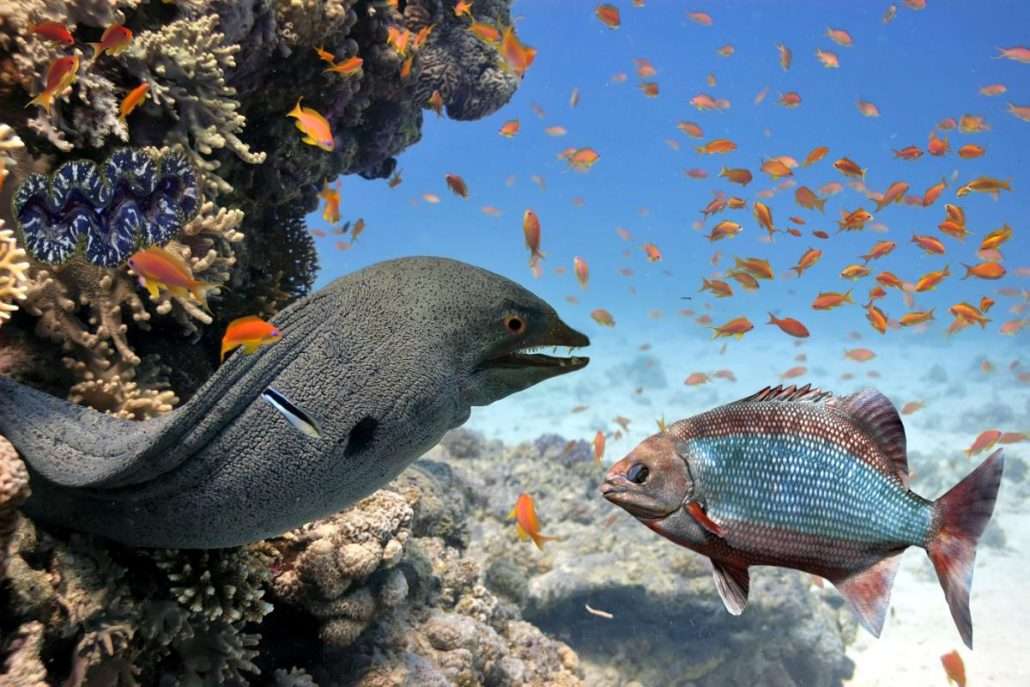
The island’s seabed offers a living rainbow of species that surprise everyone who enters its waters. The volcanic reefs and underwater meadows are home to a wide variety of tropical fish that make La Fauna Marina de Tenerife a benchmark for diving and snorkelling lovers.
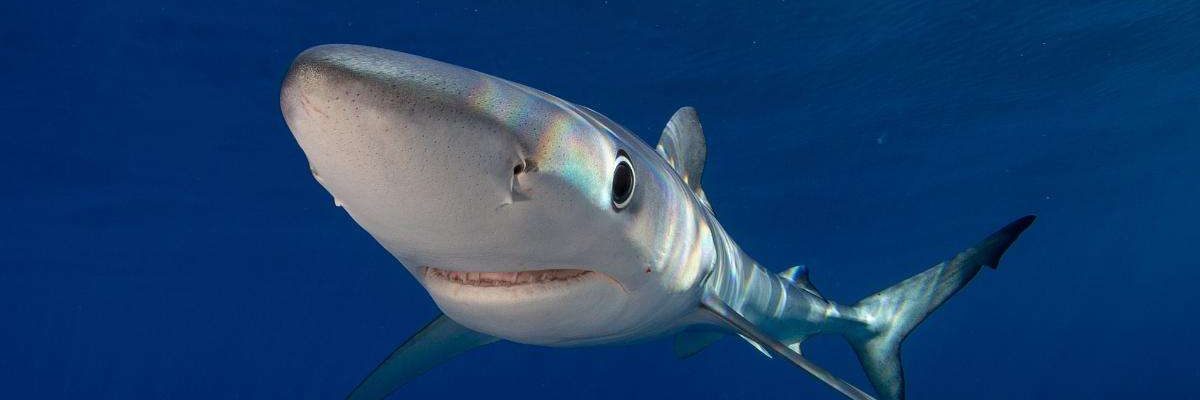
Among the most common species are the greenfish, with their vivid green and blue hues, and the damselfish, small and colorful. Groupers, goats, black fulas and larger species such as amberjack or bonito also stand out. The chromatic contrast and the diversity of shapes make each dive an unforgettable experience.
One of the great attractions is the possibility of observing fish of tropical origin that arrive driven by the sea currents. This richness is due to Tenerife’s strategic location, where waters of different temperatures and nutrients converge.
For many tourists, the opportunity to swim surrounded by multicolored fish is one of the most memorable experiences of their visit. But beyond their beauty, these species play a vital role in the food chain and in the balance of underwater ecosystems. Protecting reef fish means preserving marine life as a whole. In this sense, La Fauna Marina de Tenerife is a clear example of how nature and tourism can coexist in harmony.
Seabirds and Their Relationship to the Ocean
Although much of the focus is on animals that live underwater, the close relationship between the sea and birds cannot be forgotten. The coasts and cliffs of Tenerife are home to numerous species of seabirds that depend on the ocean for their survival.
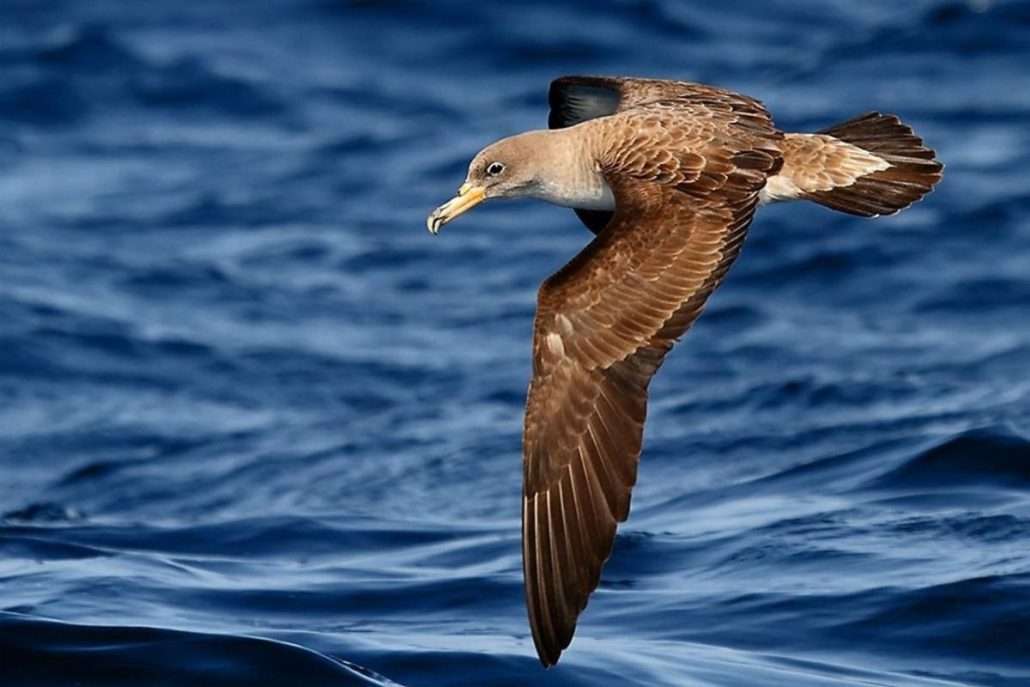
Among them are the Cory’s shearwaters, migratory birds that travel thousands of kilometres but find in the Canary Islands a key place for their reproduction. Its flight over the waves is a characteristic image of the coast. Seagulls, terns, and herons foraging in the shallows are also common.
These birds are part of the Marine Fauna of Tenerife because their life is directly linked to the ocean. They feed on fish, molluscs, and other marine organisms, and their presence indicates the good health of the ecosystem. In addition, they play an important role in the dispersion of nutrients between the sea and the land.
Nature tourism also finds an attraction in seabird watching, especially in areas such as the cliffs of Los Gigantes or the nature reserves of the north coast. There, visitors can see unique natural spectacles, such as group flights at sunset. Protecting these species also means taking care of the seas, because without a healthy ocean, seabirds would not be able to survive.
Marine Ecosystems: Volcanic Bottoms and Reefs
Tenerife’s underwater landscapes are as impressive as its mountains and volcanoes. The volcanic origin of the island has given rise to a unique underwater relief, made up of caves, arches, tunnels and rocky walls that offer refuge to a wide variety of species. These habitats are the basis of Tenerife’s Marine Fauna and attract both scientists and divers from all over the world.
The volcanic bottoms act as natural reefs, creating an ideal environment for fish, crustaceans, mollusks, and corals. Algae and other marine plants also develop in these structures that serve as food and protection for numerous species. The result is a diverse and balanced ecosystem, where each organism fulfills a specific function.
In addition, the island has marine reserves and protected areas, such as the Anaga Massif, where the ecosystems preserve their richness in an almost intact state. These areas are vital to maintaining biodiversity and to ensure that tourism can continue to enjoy this natural wonder without putting it at risk.
To practice diving or snorkeling in these waters is to enter a parallel universe, where life flows in harmony and time seems to stop. Tenerife’s marine ecosystems demonstrate how volcanic geology and marine biology combine to give rise to unique scenarios in the world.
Protection and Conservation of Tenerife's Marine Fauna
The richness of Tenerife’s Marine Fauna would not be sustainable without protection initiatives. Tourist pressure, maritime traffic and pollution pose real threats that require immediate action. For this reason, the island has promoted projects and regulations aimed at conserving its most valuable species.
One of the most outstanding measures is the regulation of whale watching excursions. Only authorized companies can offer this service, ensuring that the boats respect minimum distances and do not alter the natural behavior of the animals. Likewise, beach and seabed cleaning campaigns are carried out to reduce the presence of plastics.
Marine protected areas, such as the La Rasca Marine Reserve, also play an essential role. There human activities are restricted to allow marine life to regenerate and thrive without interference. In addition, there are environmental education programs that seek to raise awareness among residents and tourists about the importance of taking care of this environment.
Cooperation between institutions, scientists and society is key to ensuring that future generations can continue to admire Tenerife’s Marine Fauna. Every action counts: from choosing a responsible tour to avoiding leaving waste at sea. Conservation is not only a responsibility of the authorities, but a commitment shared by all.
Conclusion: The Importance of Preserving Tenerife's Marine Fauna
After exploring the diversity of species and ecosystems, it is clear that Tenerife’s Marine Fauna is a natural heritage of incalculable value. Its richness not only enriches the lives of those who observe it, but also sustains the balance of the Atlantic Ocean. Dolphins, whales, turtles, tropical fish and birds are part of a harmonious whole that makes Tenerife a unique destination in Europe and in the world.
Tourism, well managed, can be an ally of conservation. Responsible sighting experiences, diving and snorkeling are examples of how it is possible to enjoy the sea without putting your balance at risk. However, it is also clear that the challenges are great: pollution, climate change and human activity represent threats that we must urgently address.
The conclusion is clear: taking care of marine fauna is not an option, but a necessity. Protecting cetaceans, sea turtles and underwater ecosystems is also protecting the future of the island and our planet. Tenerife offers us an unrivalled natural legacy, and it is up to all of us to ensure that Tenerife’s Marine Fauna remains a living spectacle for generations to come.