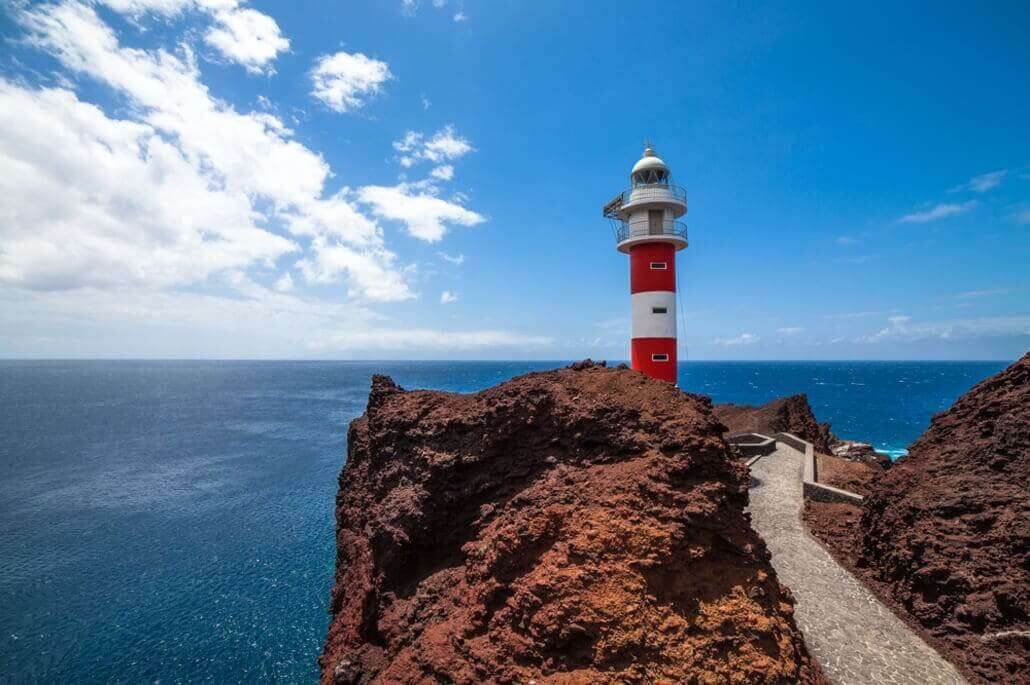
The weather in Tenerife with its microclimates plays a fundamental role in the diversity of the island's landscapes
The weather in Tenerife? More than 5 million tourists come to our island every year, attracted, in large part, by its fabulous climate. The weather in Tenerife is characterised by a pleasant temperature throughout the year. This makes it possible to enjoy sun and beach in both summer and winter.
If you are thinking of traveling to Tenerife or are planning to do so soon, this article will be of great interest to you when preparing your suitcase. Of course, we can tell you that you should not forget your swimsuit. The beach is an essential visit all year round, and any month is perfect to come to Tenerife.
Tenerife is located between the tropical and temperate zones. It enjoys the cool trade winds, which allow the Canary Islands not to suffer from the high temperatures present on the African continent. This allows the weather in Tenerife to be stable throughout the year, without great variations between the seasons.
For this reason, the island’s climate is known as “the eternal spring”, with an average annual temperature of 23 degrees. It also offers 3000 hours of daylight per year, making it the perfect destination for outdoor activities. You can check the average climatological values per month here.
The sun is guaranteed in many areas practically all year round
The role of microclimates
Within these mild values that characterise the weather in Tenerife we find microclimates. But what are microclimates really? We can define them as specific and specific areas that have different climatic conditions from the rest of the areas that surround them.
This means that you can find notable climatic variations depending on where you are on the island. For example, there are differences between the climate in Tenerife south and the weather in Tenerife north. The southern slope, hotter, drier and with more hours of sunshine, and the northern slope, more humid.
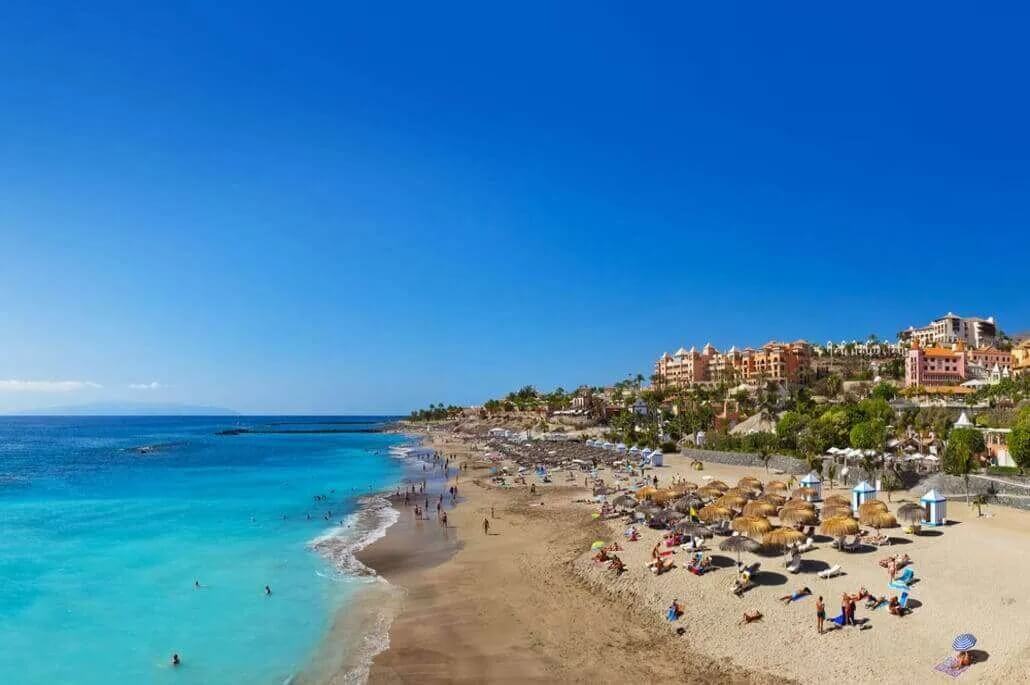
And thanks to the mild temperatures you can enjoy the beaches both in summer and winter
Microclimates usually surprise visitors who come to Tenerife. If you land at Tenerife North Airport, located in San Cristóbal de La Laguna, you may be greeted by thick fog and cooler temperatures. But if you travel just about 10 kilometers to reach the capital, Santa Cruz de Tenerife, you are likely to find more heat and a dazzling sun. Amazing, right?
Local tip: San Cristóbal de La Laguna and Santa Cruz de Tenerife are two municipalities united and together form the metropolitan area of the island. They are well connected by public transport, which allows you to get to know them comfortably even in the same day.
The landscapes of Tenerife
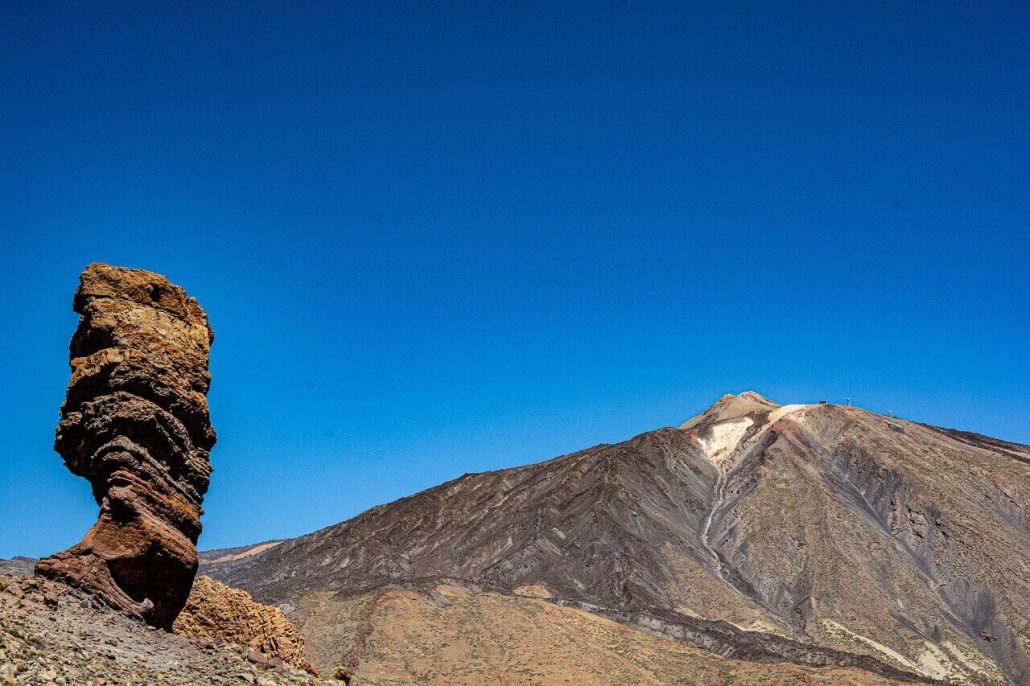
On Mount Teide it is even possible to admire the snow in winter due to its high altitude (3718m)
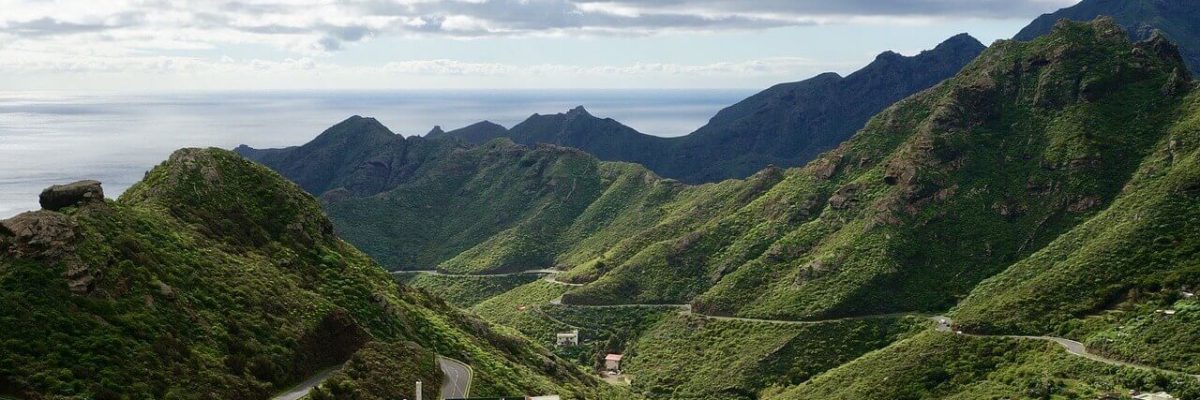
Microclimates directly influence the island’s landscapes. In the north, green colours predominate thanks to the lush mountains. In contrast, in the south the landscapes are more arid. Driving around the island you can admire these contrasts, which make every corner of the island have a special beauty.
In short, on a single island with an area of 2,034 km2, you will find a wide diversity of landscapes due to the climate in Tenerife. In the winter months, for example, tourists can enjoy a spectacle that is very unusual in the rest of the world. You can take a swim and tan in the sun in the coastal areas, and on the same day be in the Teide National Park surrounded by snow.
The abrupt orography of the island plays a fundamental role in these contrasts. It is important to bear in mind that the highest point in Spain is located here, the Teide volcano, with 3718 metres. Therefore, above 2000 meters of altitude the climate we find is high mountain.
Local tip: If you visit the Teide National Park, remember to wear appropriate clothing for it. It is important to wear warm clothes and protect yourself from the sun, as the sunshine is very high. At this altitude and unlike the more coastal areas of Tenerife, the temperature contrasts between day and night are very marked.
Microclimates allow for unique areas such as the Anaga Rural Park
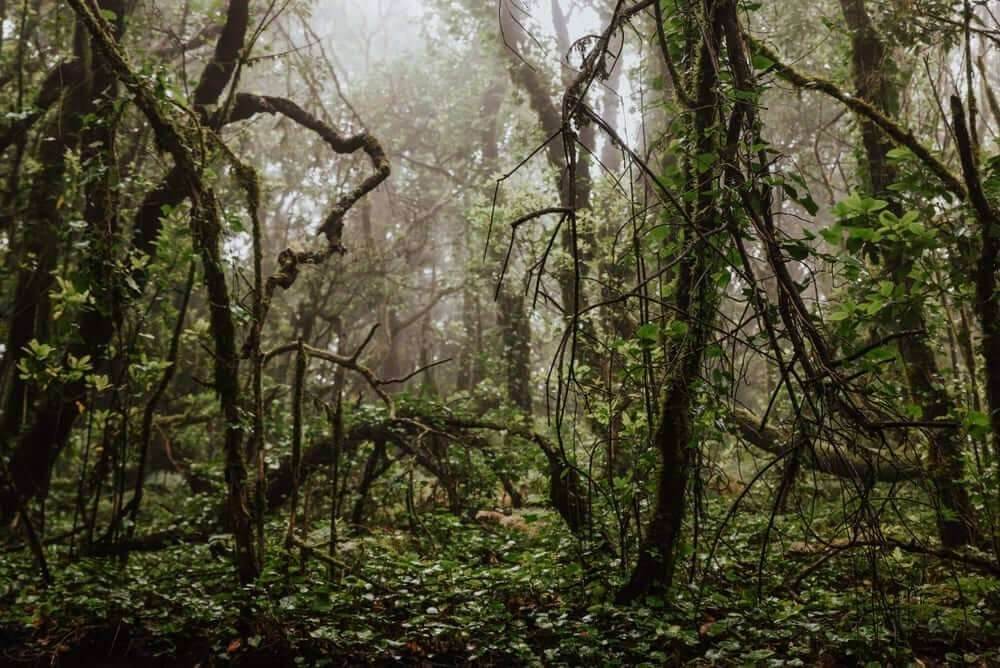
The Anaga Rural Park is one of the places that best reflects the contrasts and particularities of the weather in Tenerife. The altitude, its humid climate and the characteristics of the soil make it the perfect habitat for a multitude of species. The greatest example is its millenary laurel forest. It has more than 40 million years of existence, which reflects the geological importance of the place.
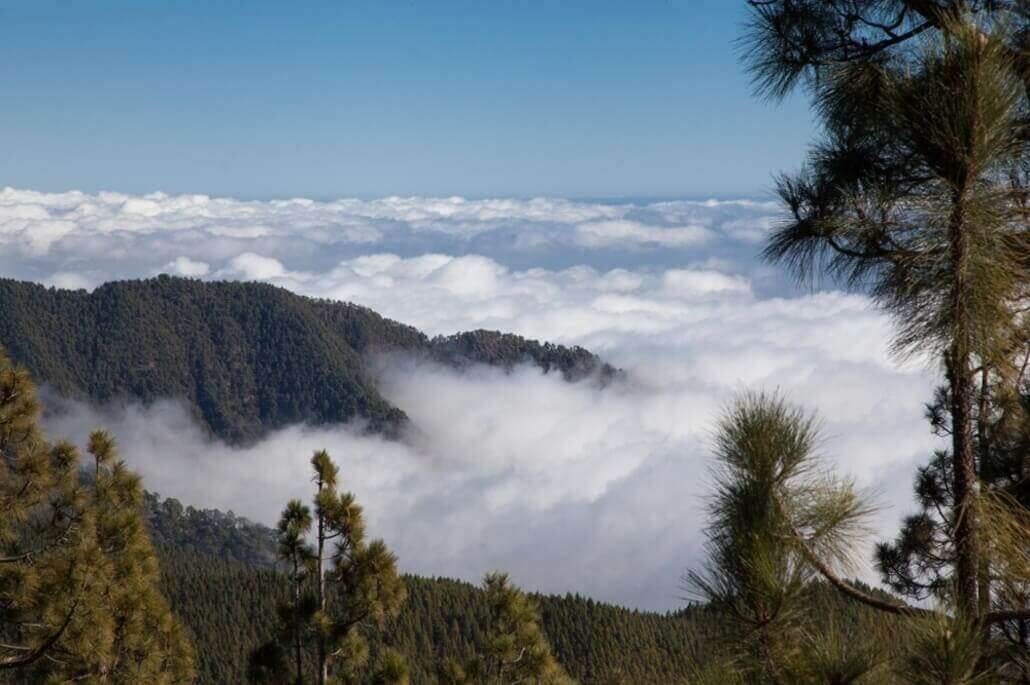
Another of the natural phenomena that attracts the most attention is the sea of clouds. A surprising effect that is generated thanks to the orography, above 1000 meters of altitude. It is possible to observe the sea of clouds on your ascent to the summit and from one of the many viewpoints in Tenerife.
And that’s it for our article on the weather in Tenerife and its microclimates. Now that you know the island’s climate better, you are sure to be even more eager to come and see its landscapes. A small continent with a multitude of contrasts that you will never tire of admiring.
One of the most outstanding is the Santa Cruz Carnival, considered one of the best in the world. The streets are flooded with color, music and dance. During this festival, locals and visitors alike enjoy the festive atmosphere in a unique cultural explosion.
In addition, Tenerife hosts gastronomic fairs where Canarian flavours shine with their own light. These events not only offer delicious tastings, but also workshops to learn about the local cuisine.
Museums and cultural centres organise temporary exhibitions that delve into the history of Tenerife. The Casa de Carta or the TEA Museum are key points to better understand the island’s heritage.
On the other hand, folkloric performances are essential to get to know the Canarian roots through dance and traditional music. In every corner there is something to discover that connects everyone to their challenging and inspiring cultural identity.
Exploring the history of Tenerife can be a fascinating adventure. There are multiple alternatives to discover their roots and traditions.
One option is to tour the local museums. The Museum of the History of Tenerife, located in La Laguna, offers exhibitions on the cultural and historical legacy of the island. Its rooms tell stories that transport you to past times.
You can also opt for expertly guided tours. These guides not only share interesting facts, but also reveal little-known legends and anecdotes. Walking through the cobbled streets of La Orotava or Santa Cruz provides a unique perspective on the Canarian past.
Traditional festivals are another unmissable alternative. During Carnival or the patron saint festivities, dances and rituals are held that reflect Tenerife’s identity. To participate in these events is to immerse yourself in an atmosphere full of color and joy.
In addition, exploring archaeological sites such as Pirámides de Güímar allows you to connect with the ancient inhabitants of the island. Here you can learn about their way of life and ancestral beliefs while enjoying the breathtaking natural environment.
These options make getting to know the history and heritage of Tenerife enriching and dynamic.
In short
The history of Tenerife is a fascinating journey that spans millennia. From its volcanic origins to becoming a popular tourist destination, the island has evolved without losing its essence. Its cultural and natural heritage is intertwined in every corner, offering a unique experience to those who visit it.
Iconic landmarks such as Mount Teide and ancient cities reflect a rich heritage that is worth exploring. The gastronomy, with native and traditional flavors, also tells its own story through each bite.
In addition, cultural activities and local events provide an opportunity to immerse yourself even more in the customs of Tenerife. From lively festivals to art exhibitions, there’s something for everyone.
Tenerife is not only a beautiful place; It is a melting pot of history that invites you to discover it by every curious traveler. Each visit promises new experiences and learning about this corner of the world full of life and its own identity.